Rewilding the future of organizations and systems.
Rewilding Futures is a foresight and speculative design methodology that helps organizations, institutions, and communities imagine future pathways where growth, wellbeing, ecological restoration, and planetary resilience reinforce one another.
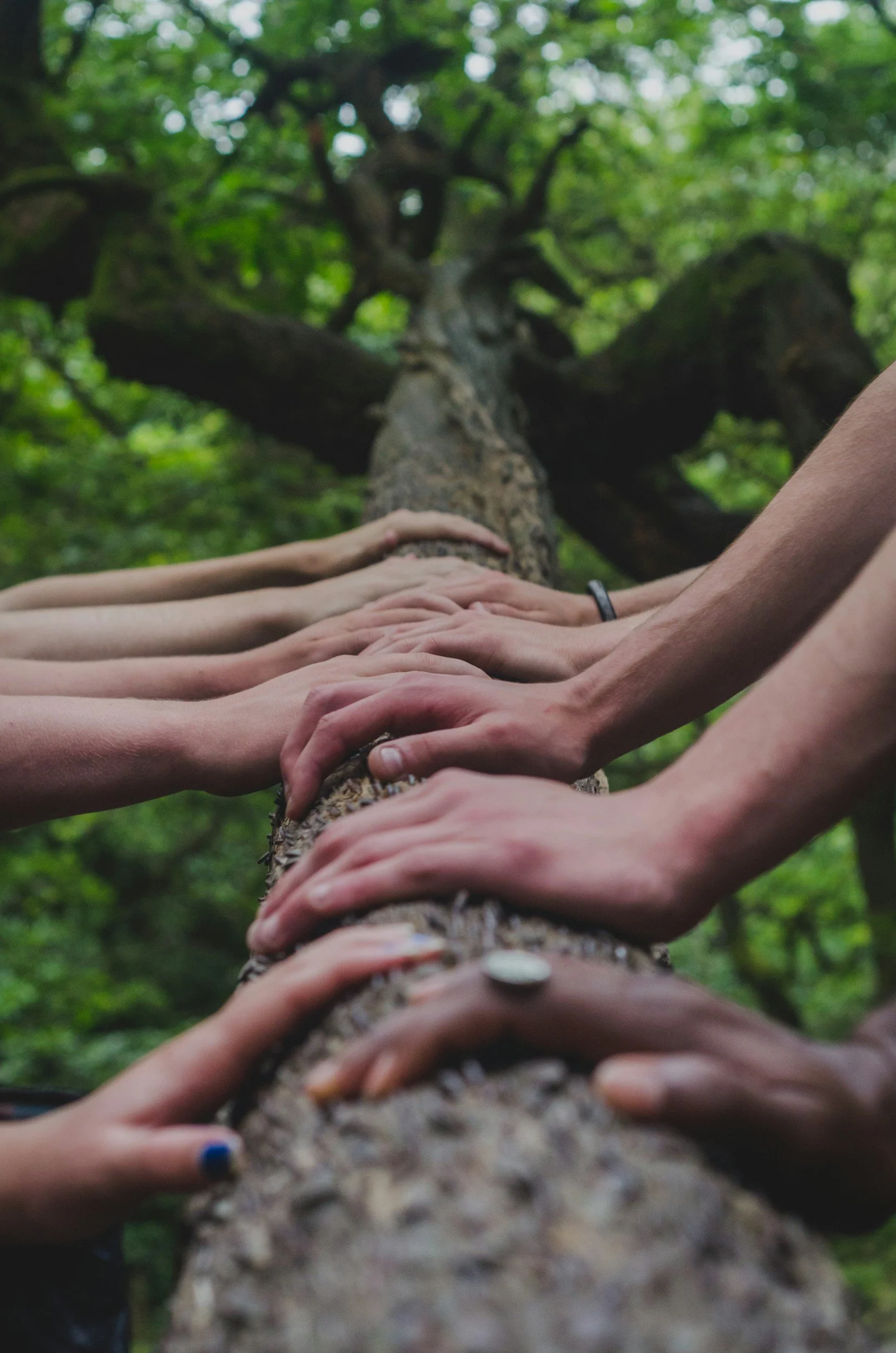
From sustainability as a side initiative to regeneration as strategy.
Many organizations are trying to move beyond sustainability toward deeper forms of regeneration. But regenerative futures can be difficult to imagine from inside existing business models, brand habits, and inherited assumptions.
Rewilding Futures helps teams make those possibilities visible. Through foresight, speculative design, regenerative design thinking, psychology, and ecological imagination, the process helps organizations articulate possible futures, challenge default assumptions, inspire change, and make more informed decisions.
Using an organization, institution, place, or system as the starting point, the work explores how products, services, spaces, supply chains, stories, policies, and stakeholder relationships could evolve to create value for both the organization and the living world.
- Regenerative Strategy
- Foresight
- Speculative Design
- Worldbuilding
- Future Artifacts
- Ecological Intelligence
- Ripple Effects
- Future Scenarios
- Planetary Wellbeing
What could your business become if regeneration shaped the imagination?
See the ripple effects of what you build.
Every business decision creates ripple effects. Rewilding Futures helps organizations trace those ripples across human and more-than-human systems, revealing opportunities to create economic value while advancing ecological restoration, social wellbeing, and planetary resilience.
The process begins with the actual organization: its people, culture, assets, constraints, influence, and future opportunities. From there, we develop vivid future scenarios, speculative artifacts, design prompts, and strategic questions that help leaders see what else may be possible.
The work can support strategy conversations, innovation planning, sustainability and regeneration initiatives, leadership development, public engagement, and future-facing storytelling.
- How a brand, program, product, service, policy, place, or experience could evolve in a regenerative future.
- How growth, revenue, restoration, resilience, and wellbeing might be designed together.
- How decisions affect customers, patients, employees, communities, ecosystems, animals, supply chains, and future generations.
- How leaders can move beyond extractive assumptions and expand strategic imagination.
- How to make possible futures tangible enough for teams, boards, partners, funders, and stakeholders to discuss, test, and design toward.
A method for regenerative business imagination
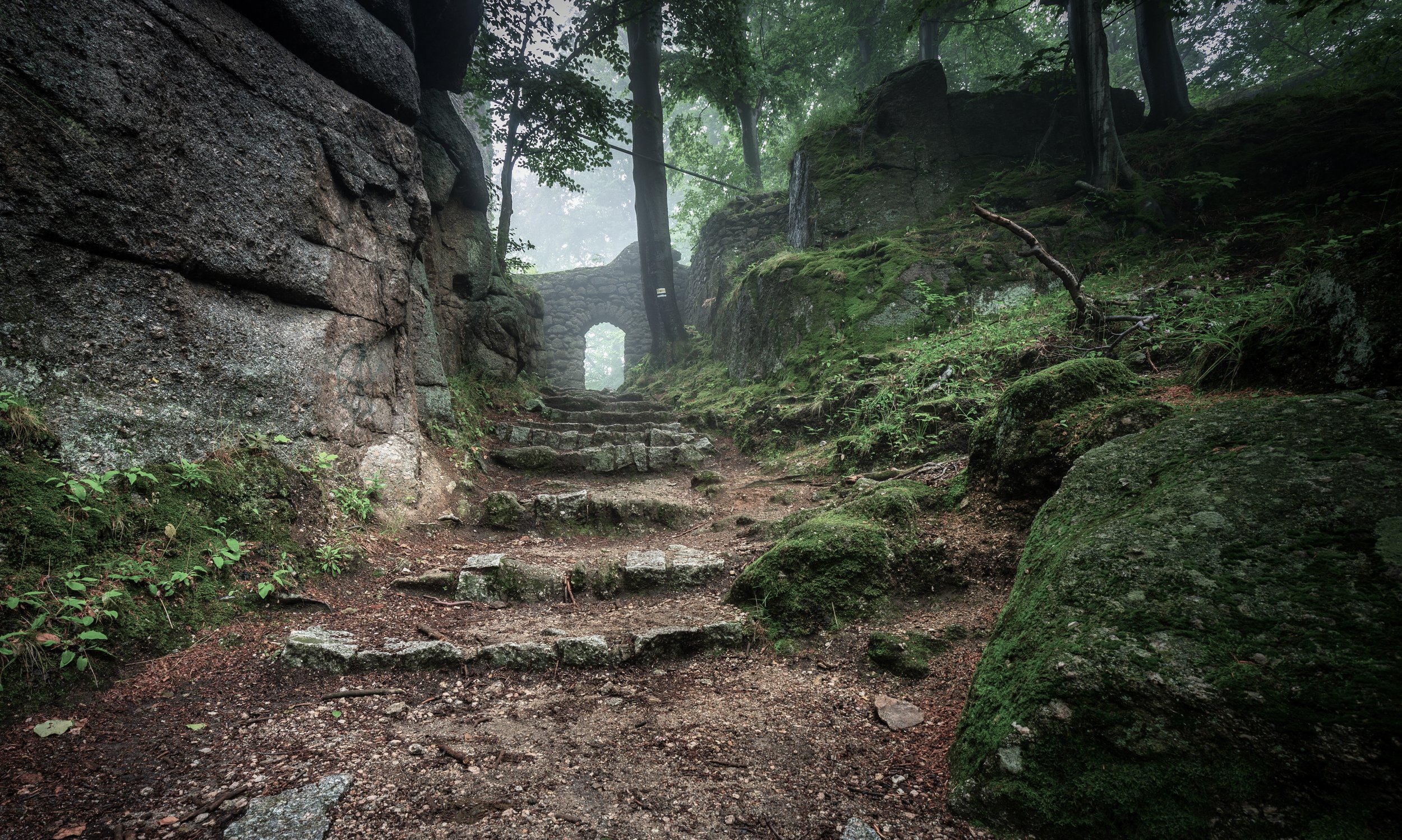
Future-making begins with the relationships we are willing to restore.
Rewilding Futures asks how strategy changes when organizations stop imagining the future from a position of separation and begin from relationship with the living world.
It integrates ecological psychology, futures studies, regenerative systems thinking, creative worldbuilding, and more-than-human perspectives to help leaders and teams imagine pathways grounded in reciprocity, ecological intelligence, and planetary wellbeing.
Three pathways into the work
Rewild Attention
Restore the sensory, embodied, and relational capacities needed to perceive complexity, notice weak signals, and see what dominant systems train organizations to overlook.
Rewild Imagination
Use story, speculative design, future artifacts, and more-than-human perspectives to expand what can be envisioned, valued, protected, and built.
Rewild Reciprocity
Move from extractive future-making toward relational, place-aware, and regenerative practices that create value across people, communities, ecosystems, animals, and future generations.
Speculative design & future artifacts
Some futures need to be seen before they can be understood.
Through speculative design, Rewilding Futures translates possible worlds into tangible artifacts: future newspapers, design fictions, brand worlds, product concepts, service journeys, policy provocations, campaign concepts, visual scenarios, and narrative prompts.
These artifacts help organizations feel the texture of possible futures. They make abstract ideas concrete enough to question, debate, evaluate, and shape.
For teams navigating uncertainty, speculative design can serve as a bridge between imagination and decision-making. It gives people something to gather around, react to, revise, and design from.
- Make regenerative possibilities visible and discussable.
- Explore the social, ecological, ethical, and economic implications of emerging choices.
- Challenge business-as-usual assumptions before they become fixed plans.
- Imagine future customers, patients, communities, employees, landscapes, and more-than-human stakeholders.
- Create shared language for innovation, strategy, leadership, and public engagement.
Ways to bring Rewilding Futures into your organization
Keynote + Imagination Lab
A talk and facilitated session for conferences, leadership retreats, sustainability gatherings, and future-facing organizational events.
- Introduces the Rewilding Futures methodology.
- Connects regenerative thinking to leadership, innovation, and culture.
- Leaves participants with questions, prompts, and possible pathways.
Rewilding Futures Workshop
A half-day or full-day workshop for strategy, innovation, sustainability, brand, leadership, or design teams.
- Maps current assumptions and future tensions.
- Explores regenerative opportunities and ripple effects.
- Produces scenarios, design principles, and strategic prompts.
Future Artifact Sprint
A speculative design engagement that makes a regenerative future visible through tangible concepts, media, worldbuilding, and narrative artifacts.
- Develops speculative newspapers, brand worlds, product concepts, customer journeys, or future campaigns.
- Helps teams question, debate, evaluate, and shape possibilities before reducing them to conventional plans.
- Supports stakeholder conversations, innovation work, and public-facing thought leadership.
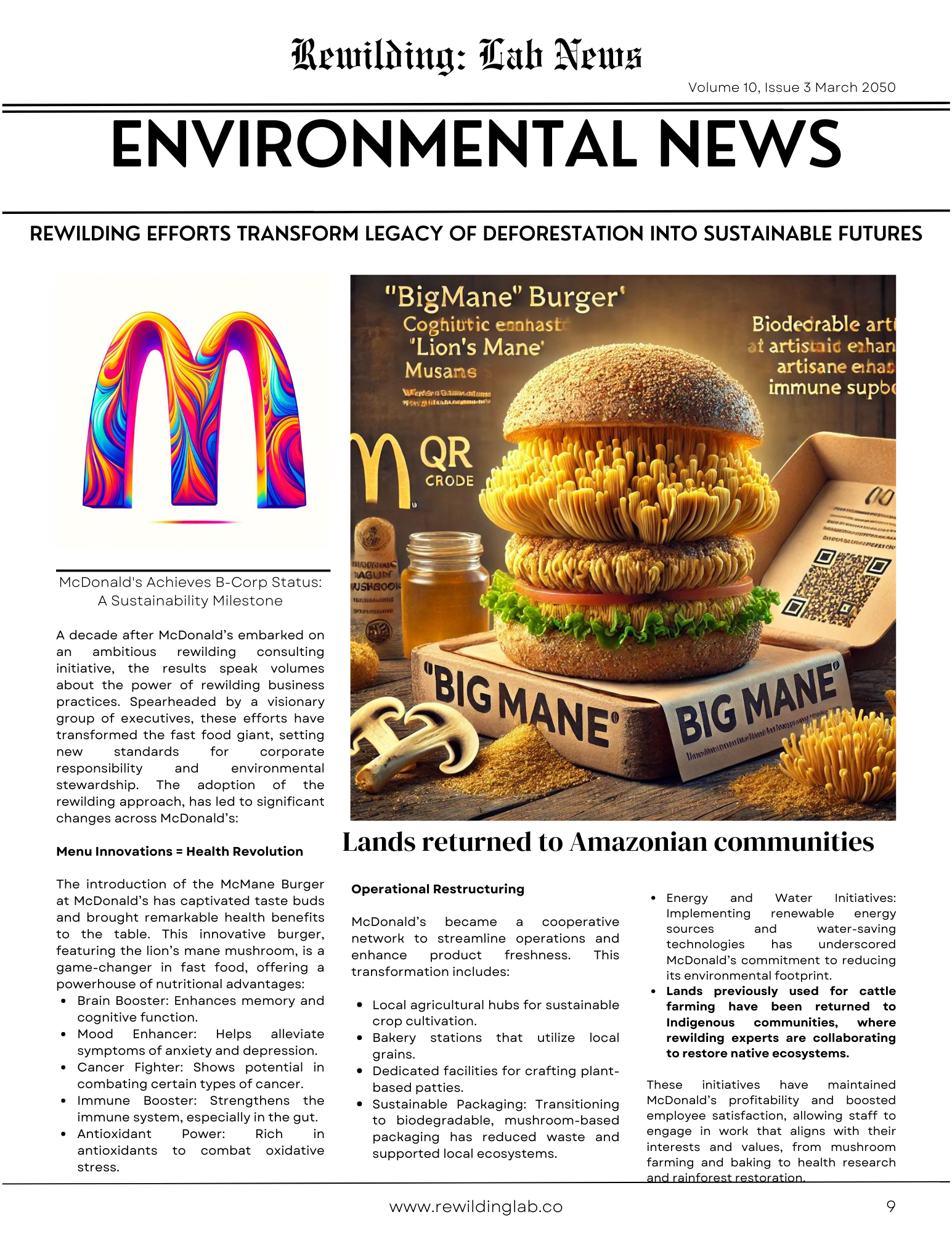
What if a global fast-food system were rewilded?
BigMane is a speculative thought experiment that explores how a high-speed, high-volume food system might shift if ecological restoration became part of the business imagination.
The concept considers food, land, animals, labor, community, customer experience, children’s culture, supply chains, and brand storytelling. The purpose is not to predict the future, but to make alternative futures tangible enough to examine, discuss, and design toward.
For organizations and systems, this kind of work can support brand strategy, sustainability storytelling, innovation workshops, executive foresight, healthcare and wellbeing futures, regenerative product development, place-based strategy, and future-facing stakeholder engagement.
View Concept →Explore the research behind Rewilding Futures
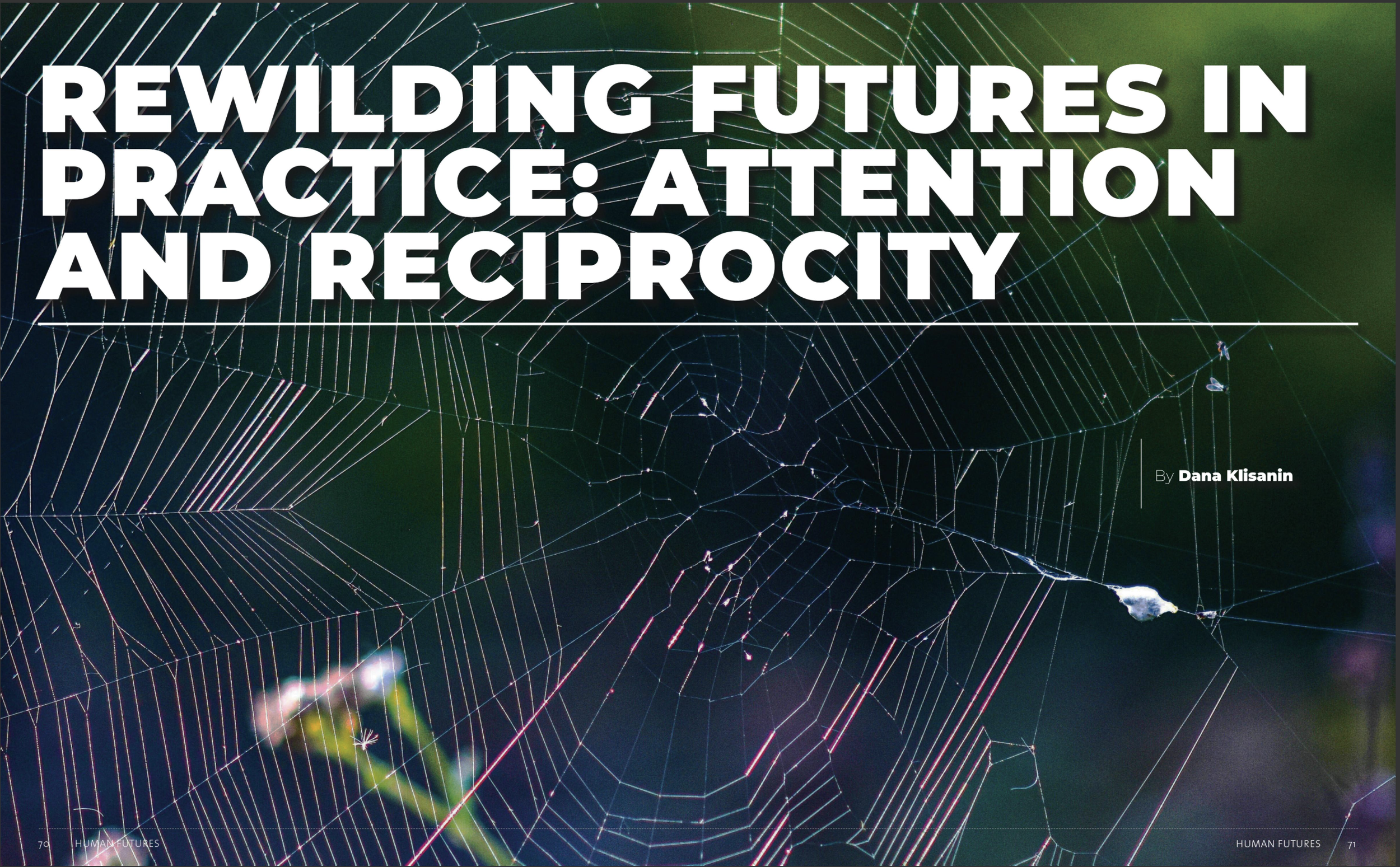
Rewilding Futures in Practice
Two practical, repeatable protocols—attention and reciprocity—for futuring with the more-than-human world.
Read PDF →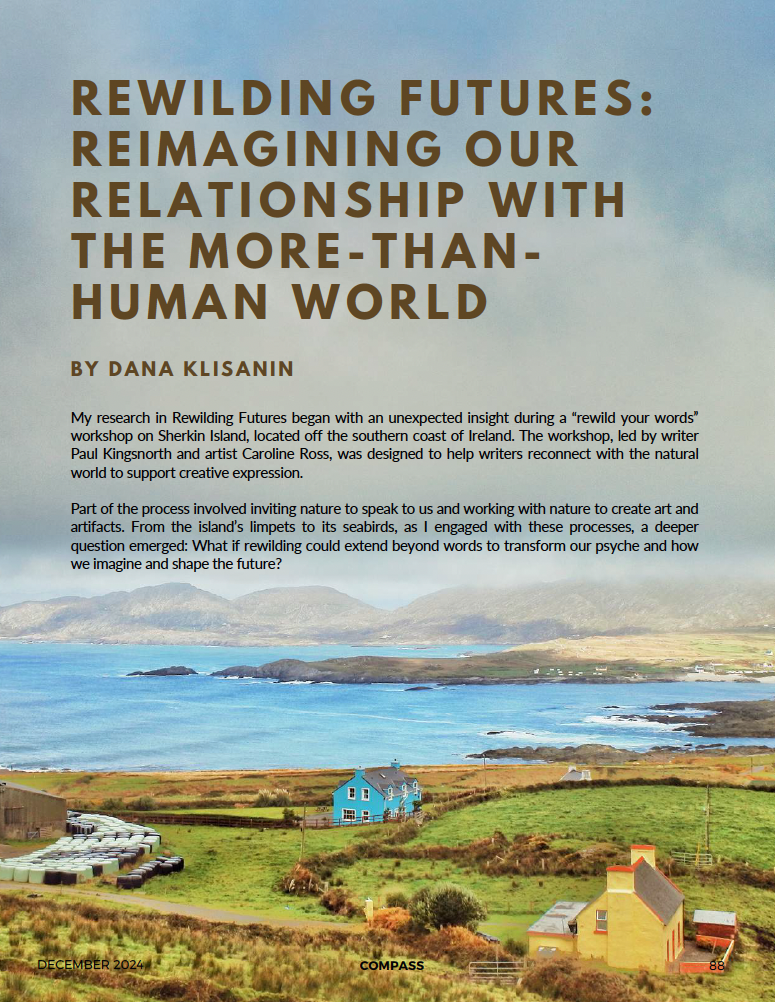
Rewilding Futures
Dana describes the origins of her rewilding research, its core components, and its application within futures studies.
Read More →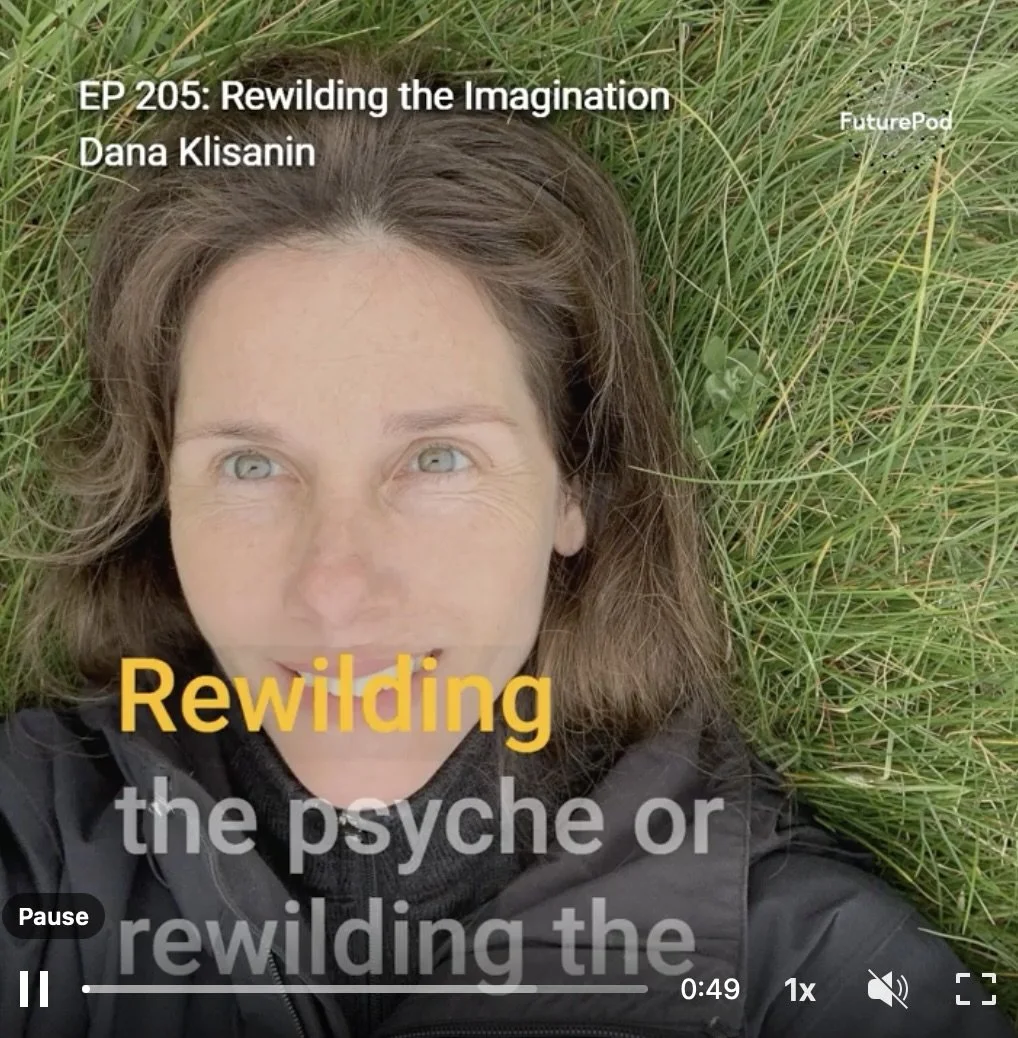
Rewilding the Imagination
Peter Hayward speaks with Dana about rewilding the psyche, futures, consciousness, and the imagination.
Listen →
Rewilding Futures Methodology
A keynote on rewilding futures methodology presented at the Holotopia Festival in Berlin.
Learn More →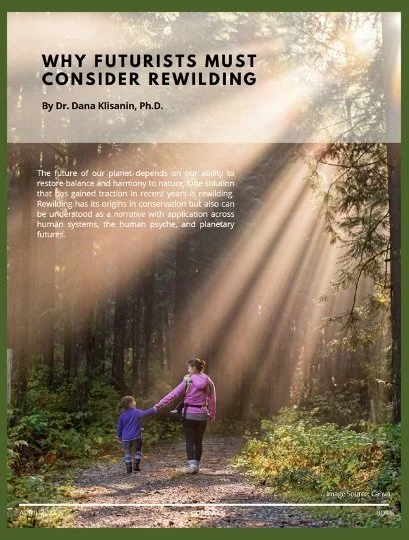
Why Futurists Must Consider Rewilding
An introduction to applying rewilding to futures studies and regenerative imagination.
Read More →
BigMane
A speculative thought experiment asking what might happen if a global fast-food system were rewilded.
View Concept →Bring Rewilding Futures to your organization.
Available for keynotes, workshops, speculative design sprints, future artifact development, regenerative strategy collaborations, and future-facing research or writing projects. Rewilding Futures is developed by Dr. Dana Klisanin, psychologist, futurist, author, and founder of ReWilding: Lab / Terrain.